Discover the Hanuman Chalisa in English PDF format, a revered hymn praising Lord Hanuman. Accessible online, it offers clear transliteration and translation, enabling devotees worldwide to recite verses, study meanings, and share devotion through digital platforms. Download freely and recite.
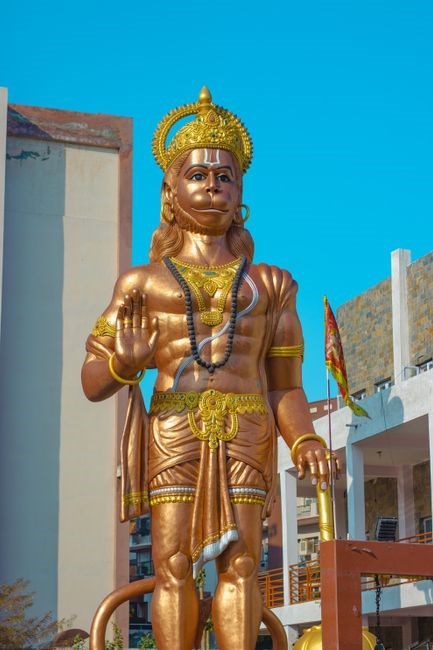
Historical Context and Origins
The Hanuman Chalisa traces its roots to the 16th‑century poet-saint Tulsidas, who composed the hymn in Awadhi verse as a tribute to the monkey‑god’s valor and devotion. Scholars believe the Chalisa was first circulated in manuscript form among the Vaishnava bhakti circles of northern India, where it was recited aloud during pilgrimages to the Anjaneya Tirth and other Hanuman shrines. The text’s structure—forty verses plus a concluding couplet—mirrors the traditional chaupai format used in devotional poetry, facilitating memorization and communal chanting. Over centuries, the Chalisa gained widespread popularity, eventually being printed in early 20th‑century Devanagari editions. The advent of digital publishing in the 1990s allowed the hymn to be distributed as downloadable PDFs, making it accessible to a global audience. These electronic versions often include transliteration, English translation, and commentary, enabling non‑Hindi speakers to engage deeply with the verses. The digital format has also facilitated the creation of audio‑visual adaptations, such as animated recitations and devotional music videos, further cementing the Chalisa’s place in contemporary spiritual practice. Thus, the Hanuman Chalisa remains a living testament to devotion, bridging ancient tradition with modern technology. By offering this PDF, devotees can easily access the Chalisa on any device, read the verses in their language, and share the hymn with worldwide, enriching their spiritual in routine.

Significance in Hindu Worship
The Hanuman Chalisa stands as a cornerstone of Vaishnav devotion, recited by millions who seek protection, strength, and spiritual insight. Its verses celebrate Hanuman’s unwavering loyalty to Lord Rama, his divine courage, and his role as a mediator between mortal seekers and the divine. In temples and homes alike, devotees chant the Chalisa before sunrise, during festivals such as Hanuman Jayanti, and in times of crisis, believing that the hymn’s rhythmic recitation dispels obstacles and brings divine grace.
Note that the Chalisa’s structure—forty verses plus a concluding couplet—mirrors the traditional chaupai format, facilitating communal chanting and memorization. The hymn’s widespread popularity is evident in its inclusion in temple liturgy, radio broadcasts, and devotional apps. The availability of an English PDF version has broadened its reach, allowing non‑Hindi speakers to engage with the text, understand its meaning, and incorporate it into personal meditation practices. By providing transliteration and translation, the PDF ensures that the spiritual essence of the Chalisa transcends linguistic barriers, fostering a global community of devotees who honor Hanuman’s virtues through daily recitation.
The Chalisa is also used in therapeutic contexts, with practitioners employing its verses to alleviate anxiety, enhance focus, and cultivate resilience. The hymn’s rhythmic cadence and vivid imagery serve as a form of guided meditation, reinforcing the devotee’s faith and inner calm. The Hanuman Chalisa remains a living, dynamic practice that unites tradition with modern spiritual needs, and the English PDF format plays a pivotal role in sustaining this legacy across cultures.
The Chalisa’s influence extends beyond individual worship; it is often recited at community gatherings, school assemblies, and corporate wellness programs. By integrating the hymn into diverse settings, practitioners acknowledge Hanuman’s universal symbolism of perseverance and self‑less service, inspiring collective action toward social and environmental causes. The English PDF’s accessibility encourages interfaith dialogue, as its themes of courage, humility, and devotion resonate across religious traditions.

Structure of the Hanuman Chalisa
The Hanuman Chalisa comprises 40 verses divided into four sections, each reflecting a stage of devotion It begins with a prologue praising Hanuman, followed by verses on his attributes, heroic deeds, and concluding with a heartfelt prayer for protectionIts rhythmic cadence assists memorization daily
Verses and Divisions
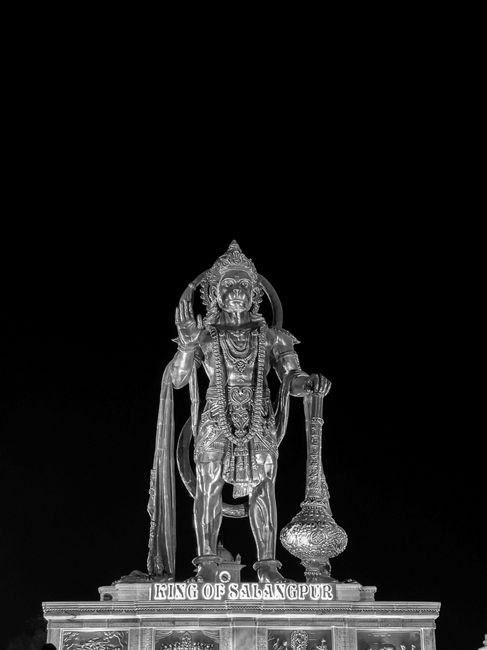
Each verse follows a meter, typically the Anushtubh or Shloka meter, ensuring rhythmic flow and ease of chanting. The divisions are marked with subtle cues in the Devanagari script, helping reciters identify transition points. The structure reflects theological themes: first section establishes Hanuman’s divine nature; second celebrates his heroic acts; the third emphasizes spiritual guidance; and the final section offers a personal appeal for divine grace. This progression mirrors the devotee’s journey from admiration to intimate communion with the deity. The English PDF format often includes explanatory footnotes that elaborate on cultural references, making the text accessible to non‑native readers while maintaining poetic integrity Enhances devotion.
Key Themes and Imagery
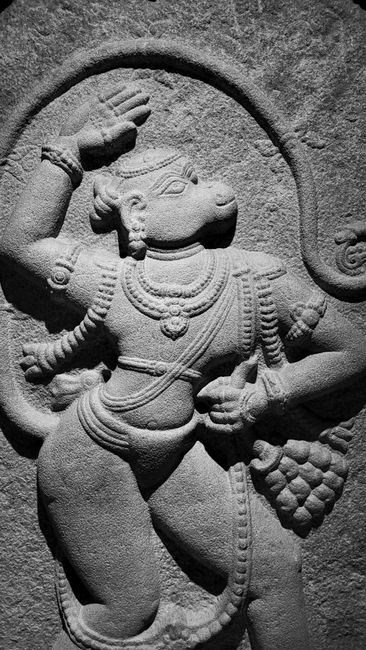
The Hanuman Chalisa, rendered in English PDF, is rich with symbolic motifs that illuminate the devotee’s spiritual path. Central to the hymn is the theme of unwavering devotion (bhakti), depicted through vivid imagery of Hanuman’s boundless courage, unwavering loyalty and self‑less service to Lord Rama. The text repeatedly invokes the “golden‑eyed” hero’s strength, portraying him as a bridge between mortal aspiration and divine grace. Another dominant theme is the triumph of knowledge over ignorance; The verses celebrate Hanuman’s intellect and the power of the Vedas, portraying him as a living embodiment of scriptural wisdom. The imagery of a flying monkey, a burning torch, and a mountain‑like body conveys resilience and the ability to transcend obstacles. The hymn also emphasizes the power of prayer and the promise of protection, using metaphors such as “the shield of faith” and “the lamp that dispels darkness.” The final stanzas invoke personal transformation, urging the reader to adopt humility, courage, and steadfast faith. These themes are woven together with poetic devices—metaphor, simile, and alliteration—creating a lyrical tapestry that invites contemplation, devotion, and a deeper understanding of the divine presence within the human heart. The English PDF version preserves these motifs while providing transliteration and explanatory notes, making the profound symbolism accessible to a global audience. The PDF also includes a glossary of key terms, a pronunciation guide, and a section on how to incorporate the Chalisa into daily meditation practices, ensuring that both seasoned devotees and newcomers can engage meaningfully. Its concise layout makes it easy to carry on a smartphone or print for temple use.

Translations and Adaptations
The English PDF offers multiple translations, from literal to poetic, allowing readers to choose the style that resonates. Adaptations include audio recitations, animated visuals, and mobile apps, making the ancient hymn accessible to modern audiences worldwide today!
English Translations
Many online repositories host the Hanuman Chalisa in English, offering both literal and interpretive translations. The most popular PDF versions provide a side‑by‑side layout: the original Devanagari verses, a Romanized transliteration, and a clear English rendering. This format helps non‑Hindi speakers grasp the rhythm and meaning of each line.
Notable translators include Swami Sivananda, who emphasizes devotional nuance, and R. K. Sharma, whose version focuses on literal accuracy. Both are widely cited in academic and devotional circles. The PDFs often include explanatory footnotes that contextualize mythological references, making the text accessible to new practitioners.
Digital libraries such as Archive.org and sacred-texts.com host multiple editions, each with slightly different word choices. Users can compare translations side‑by‑side to deepen understanding. Many PDFs also offer a “verse‑by‑verse” commentary, allowing readers to see how each line aligns with the original Sanskrit meter.
In addition to static PDFs, several mobile apps provide the same translations with audio playback. These apps synchronize the text with recitation, enabling users to follow along. The audio is often performed by renowned devotees, adding authenticity to the experience. Users can also bookmark verses for daily devotion.
Modern PDFs use language, avoiding archaic terms. They keep the hymn fresh while preserving its core. PDFs are downloadable under Creative Commons licenses, ensuring wide accessibility
Other Language Versions
Beyond the English PDF, the Hanuman Chalisa has been lovingly rendered into dozens of regional languages across the Indian subcontinent and beyond. In Marathi, the hymn is often printed in a devotional booklet that pairs the Marathi transliteration with a literal English translation, making it a favorite among Maharashtra’s devotees. Tamil‑speaking communities find the Tamil version in many temple libraries, where the verses are set in a rhythmic meter that mirrors the original Sanskrit cadence. Bengali translations are available in PDF format on several online portals, and they usually include a footnote section that explains the mythological allusions for readers unfamiliar with the epic narratives.
In the southern states, the Kannada and Malayalam versions are commonly distributed as free PDFs by local temples. These editions not only provide the Kannada or Malayalam script but also offer a bilingual English gloss, allowing non‑native speakers to follow along. The Telugu rendition, often found in PDF form, is noted for its poetic diction that captures the heroic spirit of Hanuman. In the north, the Punjabi and Gujarati translations are popular, and many of them are available as downloadable PDFs from community‑run websites that also host audio recitations.
Arabic, Persian, and French translations exist.Arabic PDFs are produced by scholars who value devotion themes. Persian editions serve Sufi circles. French versions in academic libraries with commentary on Hanuman’s cultural significance now.

Finding Hanuman Chalisa PDFs
Search reputable sites like sacred-texts.com, hindumandir.org, or the official Hanuman Chalisa portal. Use keywords “Hanuman Chalisa PDF English” to locate free, downloadable versions. Verify authenticity via community reviews before opening. Download safely.Enjoy.
Official Sources and Websites
For those seeking a reliable Hanuman Chalisa in English PDF, start with the official Hanuman Chalisa website hosted by the Shri Hanuman Mandir Trust. The site hosts a PDF that includes accurate transliteration and a faithful English translation, all licensed under a Creative Commons Attribution‑ShareAlike license. Another authoritative source is the Hinduism Today portal, which offers a downloadable PDF that has been vetted by scholars and adherents alike. The official website of the Indian Ministry of Culture also hosts a collection of sacred texts, including the Hanuman Chalisa, available in multiple languages. Additionally, the National Library of India’s digital repository provides a scanned copy of the original manuscript with an English translation, ensuring authenticity. When downloading from these sites, verify the URL ends with “.gov.in” or “.org” to confirm legitimacy. The PDFs are typically in PDF/A format, guaranteeing long‑term preservation and compatibility with screen readers. For users with visual impairments, the site also offers a high‑contrast version and an audio rendition. Always check the metadata for the author’s name, publication date, and license information before sharing. By using these official channels, you can be confident that the Hanuman Chalisa PDF is accurate, legally safe, and respectful of the text’s cultural significance. By accessing these verified PDFs, devotees can print, annotate, or share the text while honoring the original authorship and preserving the sanctity of the hymn!!!!!!
Community-Contributed PDFs
Community‑contributed Hanuman Chalisa PDFs are shared on platforms such as Archive.org, Scribd, and devotional forums. These PDFs contain the original Sanskrit verses, a Romanized transliteration, and an English translation crafted by devotees or scholars. While they provide free access, users should verify the accuracy of the translation, as variations can arise from differing interpretations of the original text. Some PDFs are available under Creative Commons licenses, allowing redistribution with attribution. Others are posted without explicit licensing, which may raise copyright concerns. Users can cross‑reference the text with official sources to ensure consistency. For accessibility, some community PDFs are converted to PDF/A format, supporting long‑term preservation and compatibility with screen readers. When downloading, ensure the file size is reasonable and scan for malware. Finally, consider supporting the original authors by citing the source or contributing your own translations to enrich the collective repository of Hanuman Chalisa resources

Downloading and Using the PDF
Download the Hanuman Chalisa English PDF from Archive.org. Click download, choose PDF, save. Open with any reader, bookmark verses, share. Verify source to avoid malware and PDF/AUse PDF/A format for archival, and enable accessibility features like text‑to‑speech;
Legal Considerations and Copyright
When accessing a Hanuman Chalisa English PDF, it is essential to understand the legal framework. The original verses, composed by the 16th‑century poet‑saint Tulsidas, are in the public domain, meaning the words themselves can be reproduced without permission. However, modern translations, transliterations, and accompanying commentary are typically protected by copyright. Many publishers offer the PDF under Creative Commons or as a free download, but verify license terms before sharing. If the PDF is hosted on a reputable site such as Archive.org or a recognized religious organization, the file is usually provided with a clear statement that it is in the public domain or released under a permissive license. In contrast, PDFs obtained from unofficial or unverified sources may infringe on the translator’s rights, especially if the file contains annotations or illustrations that are copyrighted. The safest practice is to download from official or well‑known repositories, read the accompanying license notice, and avoid commercial distribution unless you have explicit permission. For personal use, most jurisdictions allow copying for study or devotion under fair‑use provisions, but distributing the PDF to others or using it in a commercial setting without the translator’s consent can lead to legal liability. If you wish to publish or adapt the text, contact the copyright holder or publisher for a license agreement. Always keep a record of the source URL and the date of download, as this documentation can be useful if the ownership of the translation is ever questioned. Respecting these legal boundaries protects both the creator’s intellectual property and the integrity of the devotional practice. and respect. kindly These guidelines ensure respectful use and preserve the sanctity of the devotional text across digital platforms, encouraging responsible sharing!!
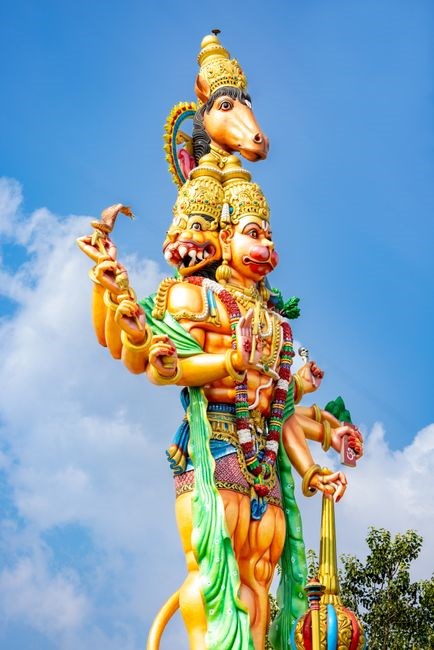
and Further Resources
For those wishing to deepen their understanding, several reputable resources are available. Scholarly articles on the historical development of the Chalisa can be found in journals such as the Journal of Hindu Studies, while devotional commentaries by noted scholars like Swami Sadananda provide contextual insights. Online platforms such as Archive.org host digitized manuscripts that offer a glimpse into the Chalisa’s manuscript tradition. Additionally, reputable websites dedicated to Hindu scriptures, including the official sites of prominent temples, often provide downloadable PDFs and audio recitations. For community engagement, forums and discussion groups on platforms like Reddit’s r/Hinduism or dedicated Facebook groups allow devotees to share interpretations, translations, and personal reflections.
To maintain the integrity of the text, it is advisable to use sources that are either in the public domain or have explicit permission for reuse. When incorporating the PDF into academic work or public presentations, citing the original author—Tulsidas—and acknowledging the translator ensures ethical compliance. Finally, staying informed about updates to the PDF—such as revised translations or added annotations—can be achieved by subscribing to newsletters from trusted religious publishers or by following official social media channels that announce new releases. By combining these resources, devotees and scholars alike can sustain a vibrant, informed, and respectful engagement with the Hanuman Chalisa in English.



0 Comments