Safety & Precautions
Keep the washer dry, avoid water spills, and use only approved detergents. Do not overload the drum; leave space for fabric to move. Ensure the unit is on a level surface and the power cord is kept away from heat sources. Follow all safety warnings in the manual.
- Do not immerse in water.
Done.
Key Safety Guidelines for GE Profile Washers
Before operating your GE Profile washer, read the safety instructions in the owner’s manual. Keep the appliance dry and away from water sources; do not allow water to accumulate on the floor or in the cabinet. Never immerse the unit in water or expose it to high humidity. Ensure the washer is placed on a level, stable surface and that the floor around it is free of debris. Do not overload the drum; leave sufficient room for clothes to tumble freely. Use only detergents and additives approved by GE; avoid using harsh chemicals or excessive amounts. Keep the power cord and plug in condition, and do not run the cord over hot surfaces or sharp edges. Do not attempt to repair or modify the washer yourself; contact a qualified service technician for any repairs. Keep children and pets away from the appliance while it is running. If you notice any unusual noises, vibrations or odors, stop the machine immediately and unplug it before inspecting. Follow all local electrical codes and use a properly grounded outlet. Do not use the washer if the door or lid does not close securely; this can cause water spillage and electrical hazards. Maintain a clear path to the door for easy access. Store cleaning supplies and chemicals out of reach of children. If you need to move the washer, use the built‑in wheels or a dolly and do not lift the unit by hand. When the washer is not in use for an extended period, disconnect the power and drain the water from the inlet hoses to prevent mold growth. Keep the detergent dispenser clean and free of residue. By following these guidelines, you can ensure safe, efficient, and reliable operation of your GE Profile washer.
Installation & Setup
Place the washer on a level surface, leaving 2‑inch clearance from walls. Connect water inlet hoses to hot and cold taps, tighten with a wrench. Attach the drain hose to the floor drain, ensuring no kinks. Plug into a grounded outlet and secure the door latch before use safely.
Electrical, Plumbing, and Placement Requirements
Always follow manufacturer’s guideline keepdoor closed during operation to preserve performance!
Operating Modes & Settings
Choose from Eco, Quick, Heavy, and Custom cycles. Adjust water level, spin speed, and temperature to match fabric type. Use the Smart Sensor to auto‑detect load size, saving water and energy. Always follow the manual’s recommended settings for best results.
Use caution.
Keep the washer dry, avoid water spills, and use only approved detergents. Do not overload the drum; leave space for fabric to move. Ensure the unit is on a level surface and the power cord is kept away from heat sources. Follow all safety warnings in the manual.
- Do not immerse in water.
Done.
Smart Features & Connectivity
Connect via Wi‑Fi to the GE Appliances app for remote control, scheduling, and real‑time alerts. Use voice assistants like Alexa or Google Assistant for hands‑free commands. Energy‑saving modes track usage and suggest optimal cycles. Smart alerts notify cycle end soon.
Smart Features, Connectivity, and Energy Management
GE Profile washers integrate Wi‑Fi connectivity, allowing users to control and monitor laundry from smartphones via the GE Appliances app. The app provides real‑time status updates, cycle scheduling, and remote start/stop functions, enabling users to begin a wash before arriving home. Voice‑assistant compatibility with Amazon Alexa and Google Assistant lets users say, “Alexa, start the laundry” or “Hey Google, pause the wash.”
Energy management is built into every cycle. The washer’s sensors detect load size and fabric type, adjusting water usage to reduce waste. The “Eco” mode lowers water temperature and cycle time, cutting energy consumption by up to 30% compared to standard cycles. Users can view energy usage statistics in the app, helping them track savings over time.
- Wi‑Fi connectivity for remote control and monitoring.
- Voice‑assistant integration for hands‑free commands.
- Smart cycle optimization based on load and fabric.
- Eco mode reduces water and energy usage.
- App‑based energy usage reports for cost tracking.
To maintain connectivity, keep the washer within the router’s range and update firmware through the app. The washer also supports automatic firmware updates, ensuring new features and security patches are installed without user intervention. Integration of smart technology and energy efficiency makes GE Profile washers a choice for eco‑conscious households.
If connectivity issues arise, restart the router, ensure the washer’s firmware is current, and verify that the Wi‑Fi password is entered in the setup wizard. The washer’s LED indicator will blink to signal connection status, and the app will display error codes if the device cannot reach the network. Resetting the washer’s network settings via the control panel allows a fresh connection attempt. This ensures reliable operation saves energy.
Loading & Fabric Care
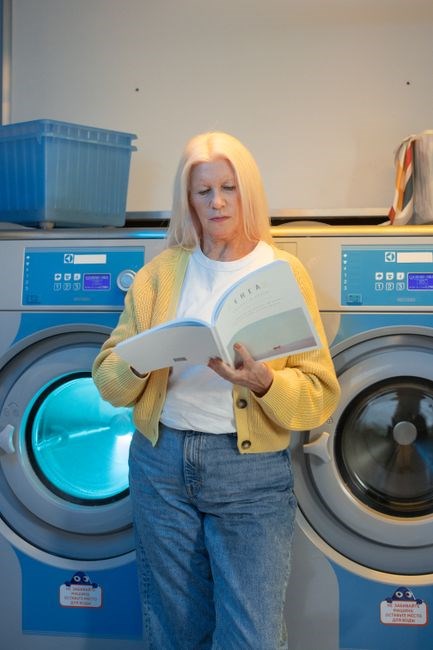
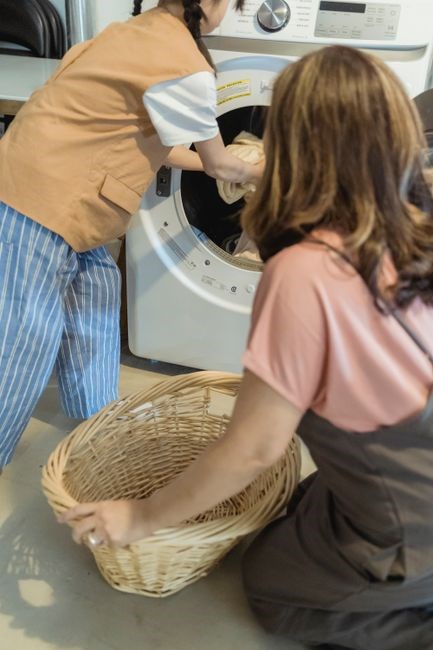
Load the drum evenly, leaving space for fabric to tumble. Use the recommended detergent amount; avoid over‑use. Separate heavy and delicate items to prevent damage. For best results, choose the correct cycle: cotton for sturdy fabrics, gentle for delicates. Always follow the care labels and use low heat for delicates Now Check settings. Now!OK
Proper Loading, Fabric Types, and Detergent Use
When preparing a load, distribute items evenly around the drum to maintain balance and reduce vibration. Avoid packing the drum beyond its capacity; leave space for fabrics to move freely, which ensures effective cleaning and prevents excessive wear on the machine’s bearings. For heavy items such as towels or blankets, use the Heavy Duty cycle, and for delicate fabrics like silk or lace, select the Delicate or Wool options.
Fabric type dictates the wash temperature and agitation intensity. Cotton and polyester blends can handle higher temperatures (up to 140°F) and vigorous agitation, whereas wool and synthetics benefit from cooler water (90°F) and gentle motion. Always read garment labels; if the label indicates “machine wash” and “dry flat,” use the Dry Flat setting after washing to preserve shape.
Detergent selection is critical for performance and machine longevity. Use a high‑efficiency (HE) detergent compatible with low‑water cycles. Measure the detergent according to load size: a small load requires one scoop, a medium load one and a half scoops, and a large load two scoops. Avoid using powdered detergent in high‑efficiency machines, as it can leave residue and clog the filter. For heavily soiled items, add a pre‑wash rinse or a booster, but do not exceed the manufacturer’s recommended amount.
When using liquid detergent, dispense it directly into the detergent drawer, ensuring it does not spill onto the drum. For powder, place it in the designated compartment. If you prefer a custom detergent mix, keep the total concentration below 1.5% of the load weight to avoid excess suds. After each wash, inspect the detergent drawer for buildup and clean it with warm water and a soft brush.
Finally, always check the load for small items such as socks or underwear that may become lost in the drum. Use a laundry bag for delicate items to prevent snagging. By following these loading, fabric, and detergent guidelines, you’ll achieve cleaner results, extend the life of your garments, and protect your GE Profile washer from potential damage.
Maintenance & Cleaning
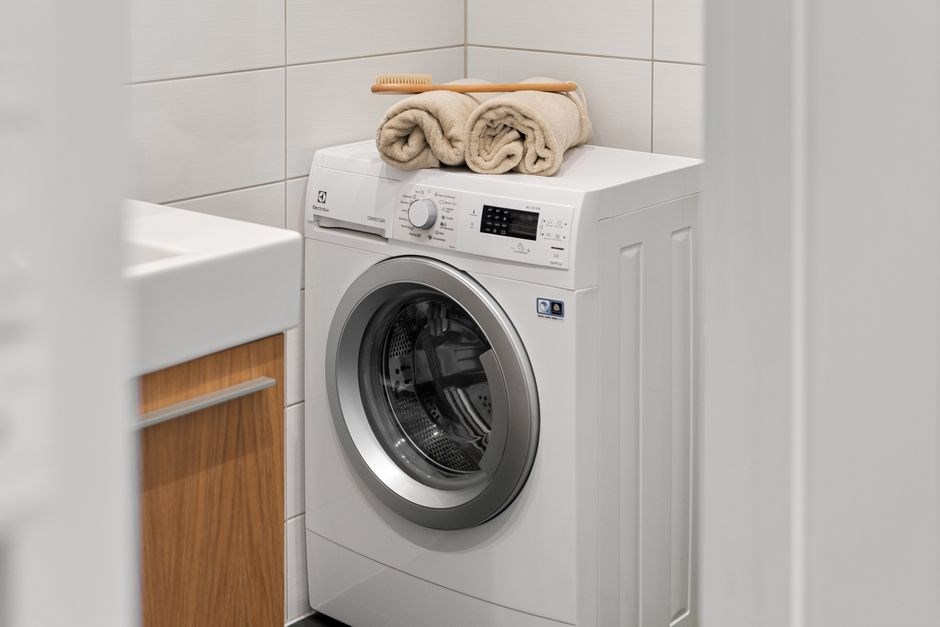
Clean the filter weekly, run a hot water cycle with a cup of vinegar, wipe the door seal, and keep the detergent drawer dry. Inspect hoses, filter and door seal for leaks now.! Check the filter monthly and clean it. This keeps water pressure high. Check drain hose for kinks.!
Routine Cleaning, Filter Maintenance, and Energy Efficiency
Regular maintenance keeps a GE Profile washer running smoothly and extends its lifespan. Begin by inspecting the drain hose for kinks or blockages; straighten it and ensure the outlet is clear. Next, remove the detergent drawer and wash it with warm, soapy water, rinsing thoroughly to eliminate residue that can clog the system. The front‑door filter, located behind the rubber gasket, should be cleaned every two weeks. Open the door, lift the gasket and gently pull out the filter; rinse it under running water, removing lint and buildup. For deeper cleaning, run an empty hot‑water cycle with a cup of white vinegar or a commercial washing‑machine cleaner; this helps dissolve mineral deposits and neutralizes odors. After each cycle, wipe the door seal and the interior drum with a damp cloth to prevent mold growth. Keep the machine’s exterior dry and use a mild detergent to avoid streaks. Energy efficiency is improved by using the Deep Fill option only when necessary, selecting the Eco or Standard cycles for everyday loads, and ensuring the drum is not overloaded, which forces the motor to work harder. Finally, check the water inlet hoses for leaks and replace them every 5–7 years to maintain optimal water pressure and prevent water damage. Following these steps will keep your washer clean, efficient, and ready for years of reliable performance.
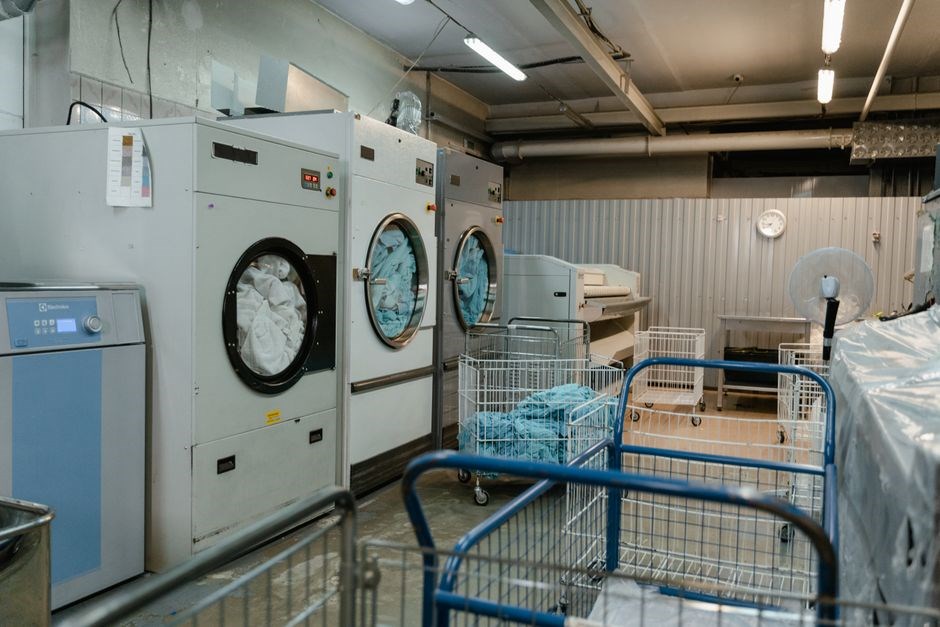
Use the built‑in rinse cycle to remove detergent residue, and always leave the door ajar after drying to prevent mildew. Keep drum dry.
Troubleshooting & Support
Check error codes, reset by unplugging 30s, inspect hoses, ensure proper load. For persistent issues, consult the online manual or call GE support at 1‑800‑GE‑APPL. Keep firmware updated via Wi‑Fi for optimal performance. If issues persist, schedule a service appointment. OK.
Common Problems and Quick Fixes
Check the error code list in the manual. For “E01”/“E02”, inspect water inlet hoses for kinks or blockages; a clogged filter can trigger these codes. “L1”/“L2” indicates a door latch issue—ensure the latch is fully closed and no debris is trapped. “T01” points to a temperature sensor fault; verify water temperature and clean the sensor.
For “C01”/“C02”, reset the control board by unplugging the unit for 30 seconds, then plug it back in and run a short cycle. If the problem persists, check the wiring harness for loose connections. A “W01” code means drainage is blocked—clear the drain pump filter and straighten the hose. “V01”/“V02” signals motor overheating; let the machine cool for 15 minutes before restarting.
If the washer won’t start, confirm the power cord is firmly plugged into a grounded outlet and that the circuit breaker is on. Verify water supply valves are open and hoses are not twisted. If the drum spins but clothes do not tumble, the drive belt may be worn; replace it per the service manual. A “S01” code suggests a jammed spin motor—remove debris from the agitator and inspect the motor coupler.
Excessive vibration or noise usually means the washer is unlevel—place it on a flat surface and tighten base pads. If vibration persists, check shock absorbers and replace if worn. A “P01” code indicates a pressure sensor fault; clean the sensor and ensure adequate water pressure. Remember to keep the washer’s firmware up to date to avoid known bugs that can cause these errors. If the error persists after all steps, schedule a tech to inspect internal components. promptly.


0 Comments